





Substrate
Sparse, locally recurrent, energy-aware compute as a first-class research target.
One architecture on a continuous axis — reared on the stack.
Explore LoominumEnterprise
Research
Science
About
A research bet, with the negatives in the same page as the wins.
Biology-first compute and substrate-native cognition — including the negatives.
Citation
ReasonLoom Research · Beyond transformers · internal record, 2026.
Why this matters
The dominant bet of the last decade has been "scale attention". Our research bet is different: the next step is a different substrate, organised around sparse population codes, local recurrence, and energy-aware routing. We pursue that bet end-to-end — substrate, memory, training loop, silicon — and we publish the falsifications alongside the wins.
Lines of work
Beyond-transformer research at ReasonLoom is not one paper; it is four parallel programs that converge.
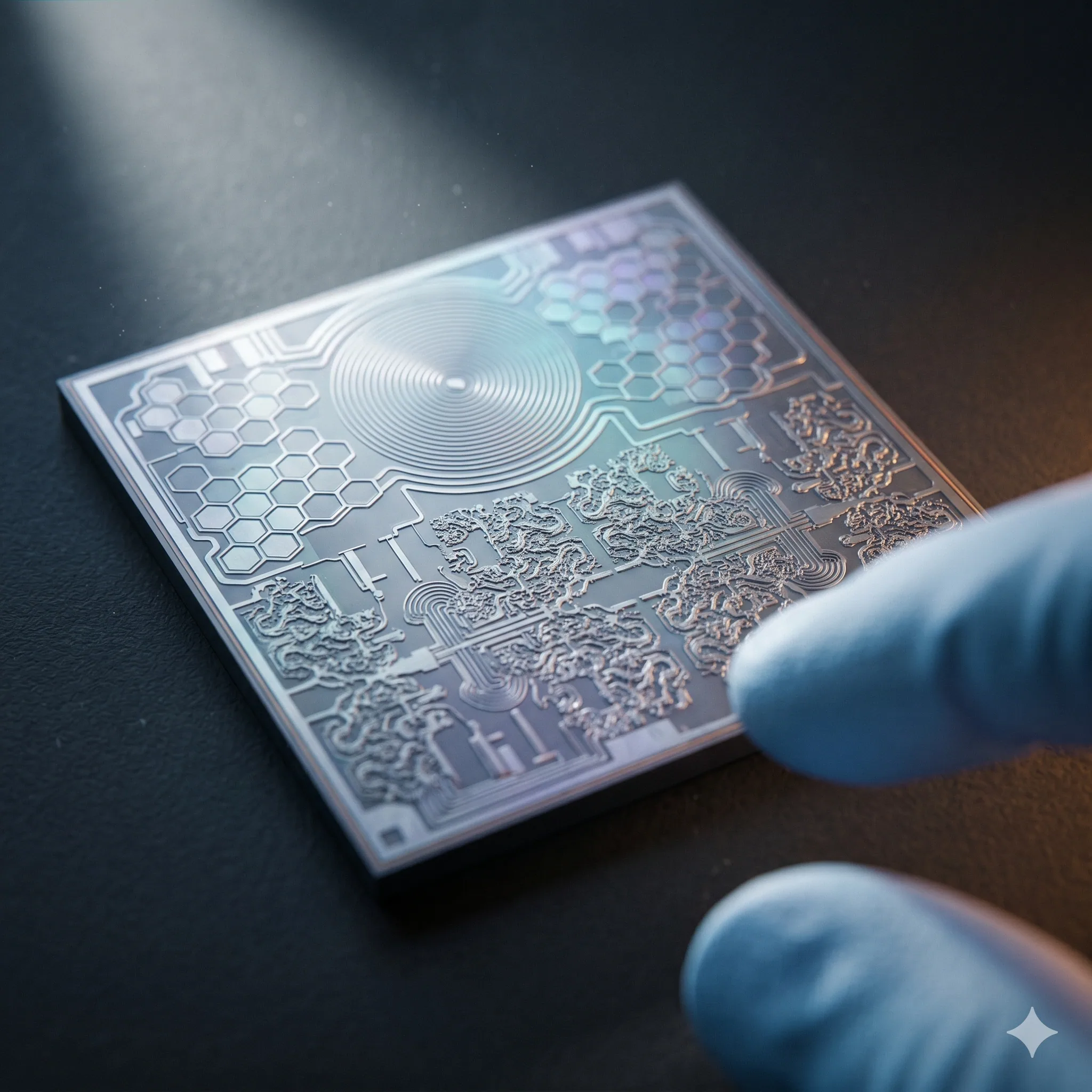
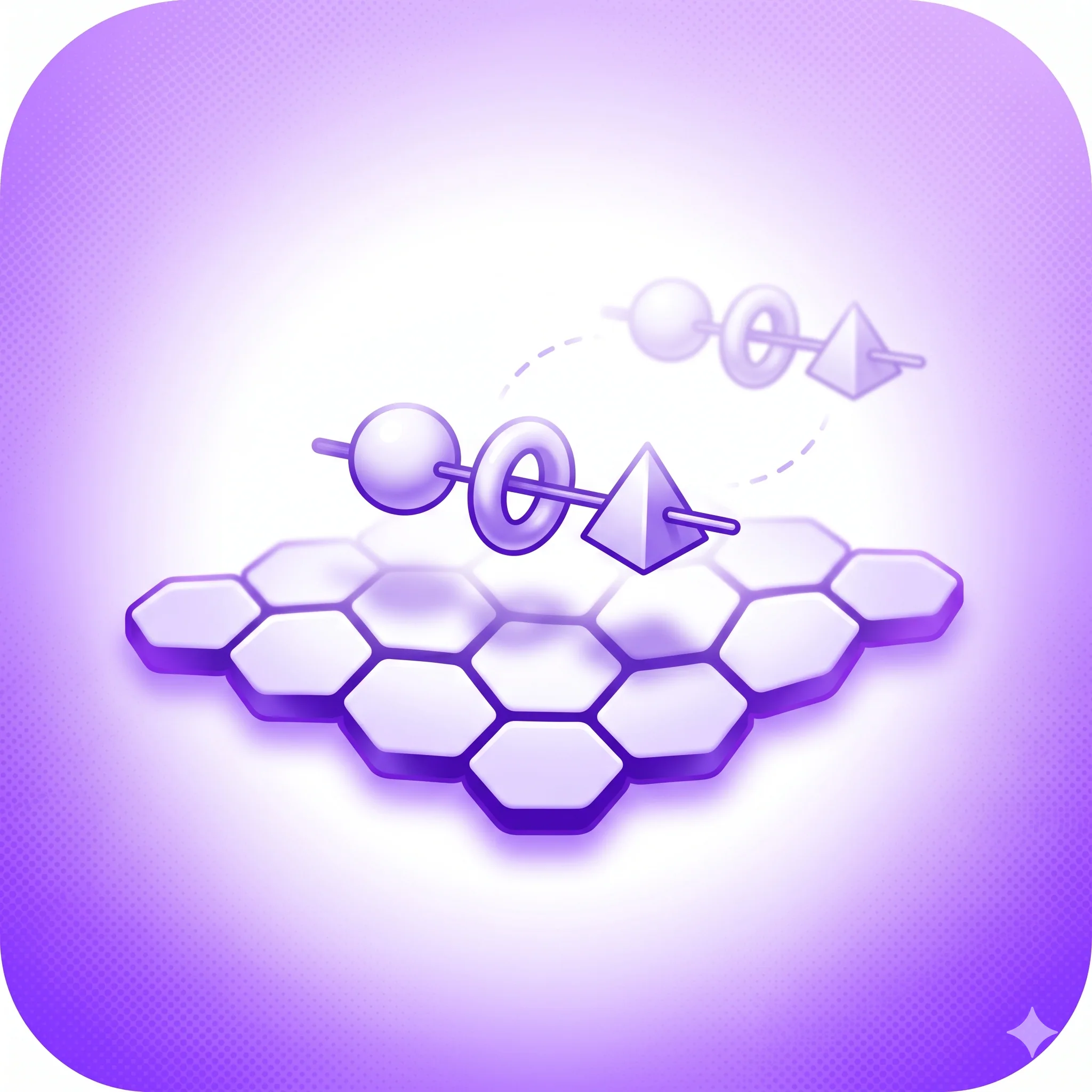
Sparse, locally recurrent, energy-aware compute as a first-class research target.
Structured binding as a substitute for context windows.
A developmental loop that grounds production, with a typed verifier in the middle.
Chips whose layout shares the geometry the substrate uses.
Falsifications we have published internally
Honest negatives are a competitive advantage. Each entry below is a falsification we ran ourselves and chose to keep on the record.
N1
Negative 1
A proposed compute bridge was outperformed by a well-tuned dense baseline at the million-entry mark. The negative reshaped the silicon roadmap.
N2
Negative 2
A clean A/B test against a strong transformer baseline showed our post-transformer architecture does not, on its own, win on either naming or continuity. The robust value lives in the training objective and the structured-memory binding, not in the architecture.
N3
Negative 3
A distillation pathway that looked attractive in early tests collapsed to a memorisation table under held-out evaluation. We publish it as a paradigm-level warning.
Multi-seed honesty
Every claim is paired with the variance across seeds. A win on one seed is not a result — a win across five is, and a non-win is reported the same way.
| Axis | Value | ± seeds | n | Status |
|---|---|---|---|---|
| Lifelong retain-advantage | +0.65 | ±0.02 | 5 | survives |
| CLS sample efficiency | 1.90× | ±0.14 | 5 | survives |
| Slot 2-factor lift | +0.82 | ±0.08 | 5 | survives |
| Imprevisto recovery | +0.13 | ±0.09 | 5 | survives · soft |
| Arch-on-naming win | 0.00 | ±0.00 | 5 | retired |
| Arch-on-continuity win | −0.28 | ±0.27 | 5 | retired |
Honest negatives are a competitive advantage. Most beyond-transformer claims in the field do not survive controlled evaluation; ours are tested against strong baselines and ours either survive or are retired. We publish both outcomes because the field is faster when the dead ends are documented.
Structured memory wins as a substitute for context windows. A developmental rearing loop wins as a training method. Multi-seed measurements separate the two from the architectural priors that did not survive.