





1
Continuous axis
One architecture on a continuous axis — reared on the stack.
Explore LoominumEnterprise
Research
Science
About
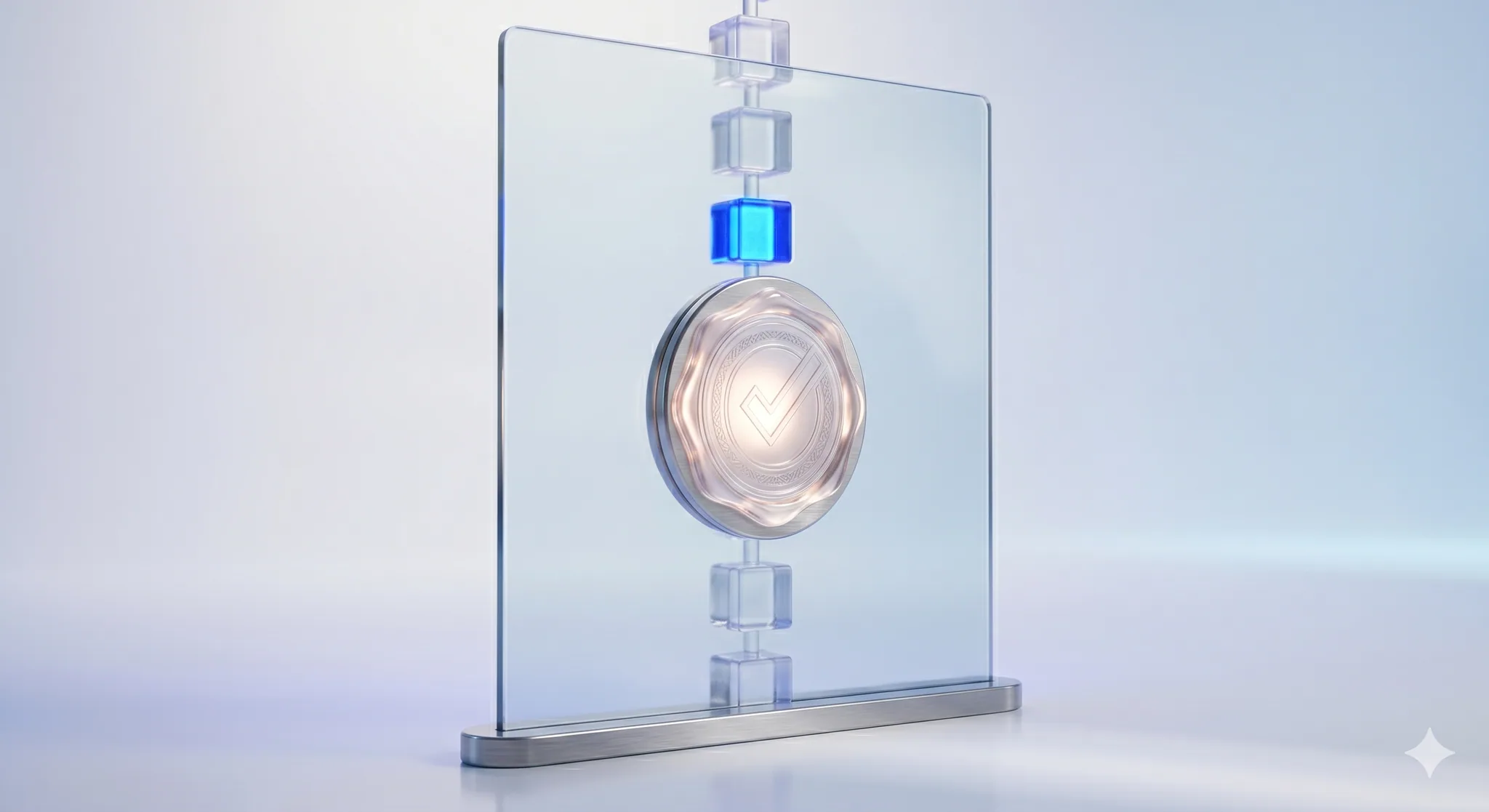
One architecture on a continuous axis — from perfect recall to sharp attention, tuned per input.
1
Continuous axis
2
Fused coordinates
0.000
Endpoint parity
Category
Unified dual-axis · generation 1
Architecture
A learnable coordinate, not a fixed design
Contains
Marrow and Loom as exact endpoints
Reared by
Atelier developmental loop
What Loominum 1 is
Loominum is built on one idea: the choice of architecture should not be made once, before training, and frozen. Its governing readout has a single decay coordinate. At one extreme it is exactly a fast-weight recall rule — Marrow, perfect memory. As the coordinate grows it becomes a dissipative continuous-time field — Loom, which favours recent signal and lets the stale fade. A second coordinate sets attention sharpness, from a soft blur to a single sharp pick. The model spans that whole space, and the win is being able to land at the right point for the task instead of guessing it up front.
Measured
Grounded, seed-averaged, and reproducible. The axis is proven — not asserted.
0 → 94%
Open-vocabulary naming, from scratch
From ~300 grounded examples per concept. A fresh, untrained model scores 0% — so it is learning, not memorising.
+0.044
Dual-axis fusion over the best single axis
The fused head reaches 0.94 versus 0.90 for the strongest single coordinate, across five seeds.
exact
Endpoints match known architectures
At its limits the axis reproduces the fast-weight and pooling rules to within numerical zero (parity 0.000e+00).
How it works
Loominum is not a bigger transformer and not an external router. The polymorphism lives inside the equation.
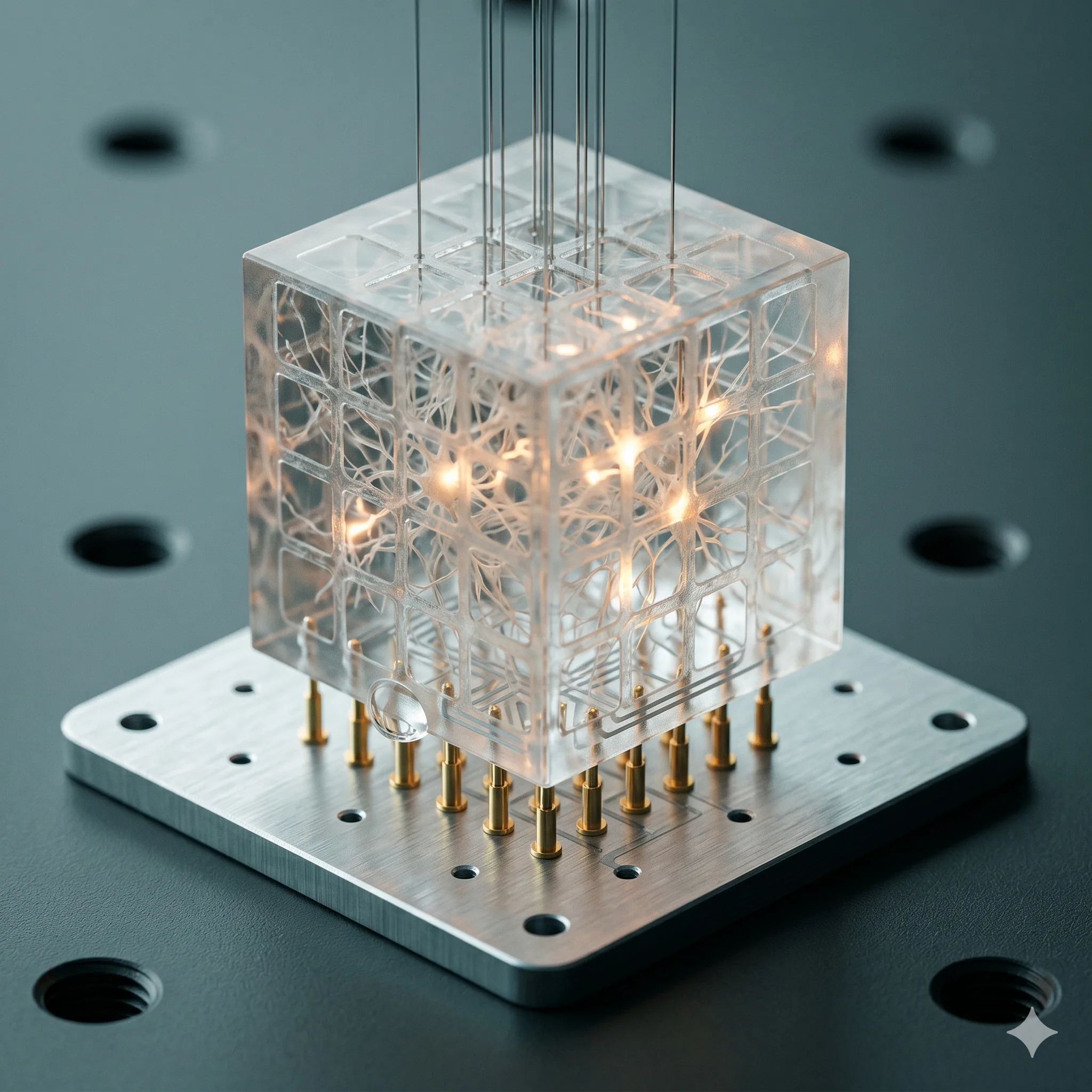
The field readout has a single decay coordinate. At one end it reproduces a fast-weight recall rule bit-for-bit; at the other a continuous-time dissipative field. Same equation, moved — not two models bolted together.
A second coordinate controls attention sharpness, from soft averaging to near-argmax selection. The two readouts fuse into one head — one gives stability, the other gives selection — and together they beat either alone.
Atelier raises Loominum on grounded episodes. It learns to name the world from a few hundred examples per concept, and what it learns survives clearing its fast memory — consolidated knowledge, not a lookup table.
Proof, not adjectives
The continuous axis is a claim that is easy to make and hard to back. Here is what stands behind it.
Slide the coordinate to one limit and the model reproduces a fast-weight recall rule bit-for-bit; slide it to the other and it becomes a dissipative continuous-time field. The endpoints match known designs to numerical zero — not approximately, exactly.
The two coordinates fuse into a single head — one gives stability, the other gives selection. The fused model outscores the strongest single coordinate on every seed we ran, not just on average.
Clear the model’s fast memory and it still names held-out, noisy instances it never saw at that setting. What it learned consolidated into durable structure — a lookup table cannot do that.
Atelier raises Loominum on grounded episodes — a handful of examples per concept, with sleep-like consolidation — instead of copying a larger model’s text. It earns its knowledge.
Where Loominum fits
Rather than commit to one design before training, move along the axis and measure where the task actually wants to sit. The architecture becomes something you tune, not something you guess.
Loominum can infer its own recall coordinate from the shape of the signal — leaning on memory or on recency as the input demands — capturing almost all of the gain a hand-set coordinate would give.
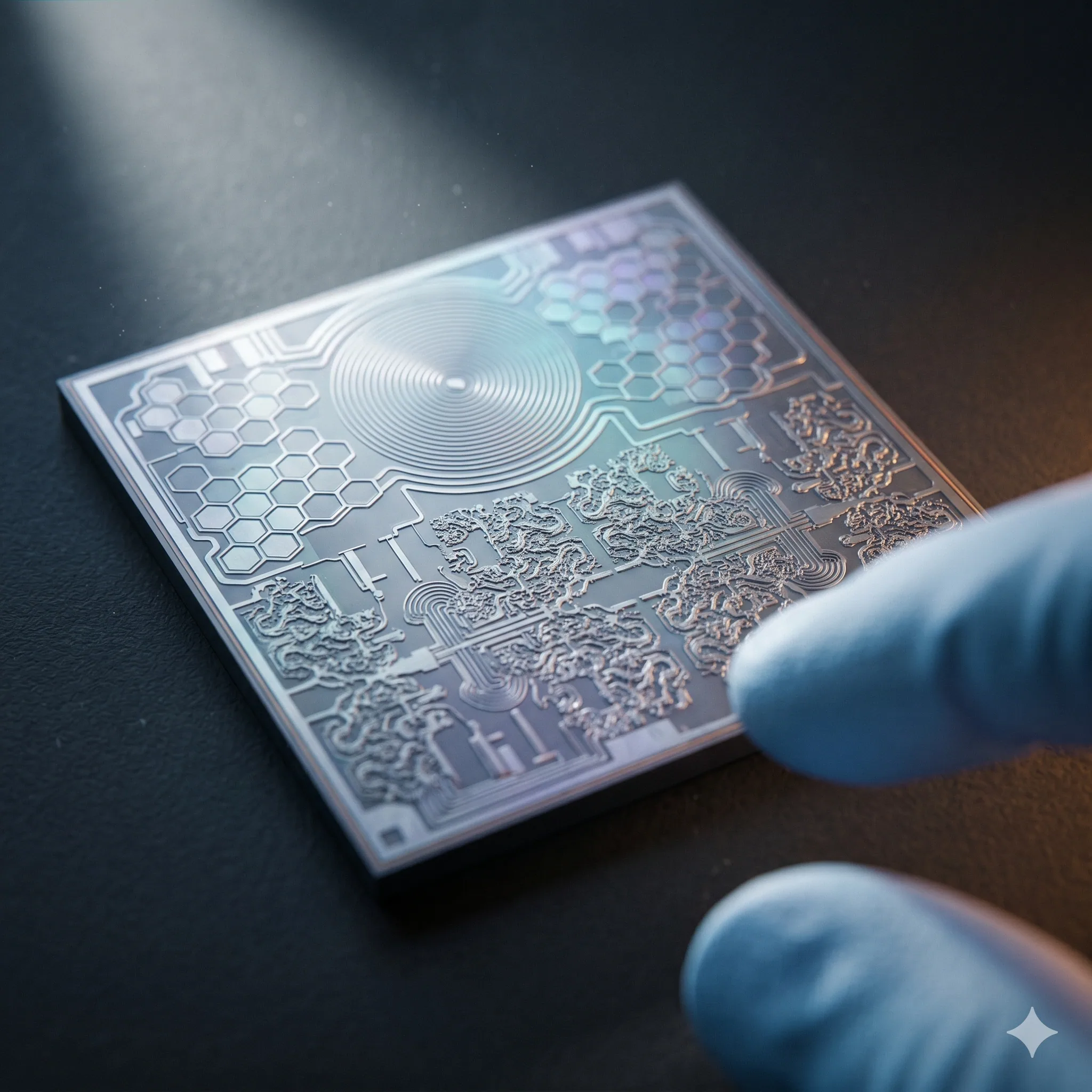
Built on the same dissipative field as RL-L1 and the Obsidian silicon, so the model and the substrate converge on one physics rather than two.