
Obsidian 1.0 — Thermal-ratchet emulator
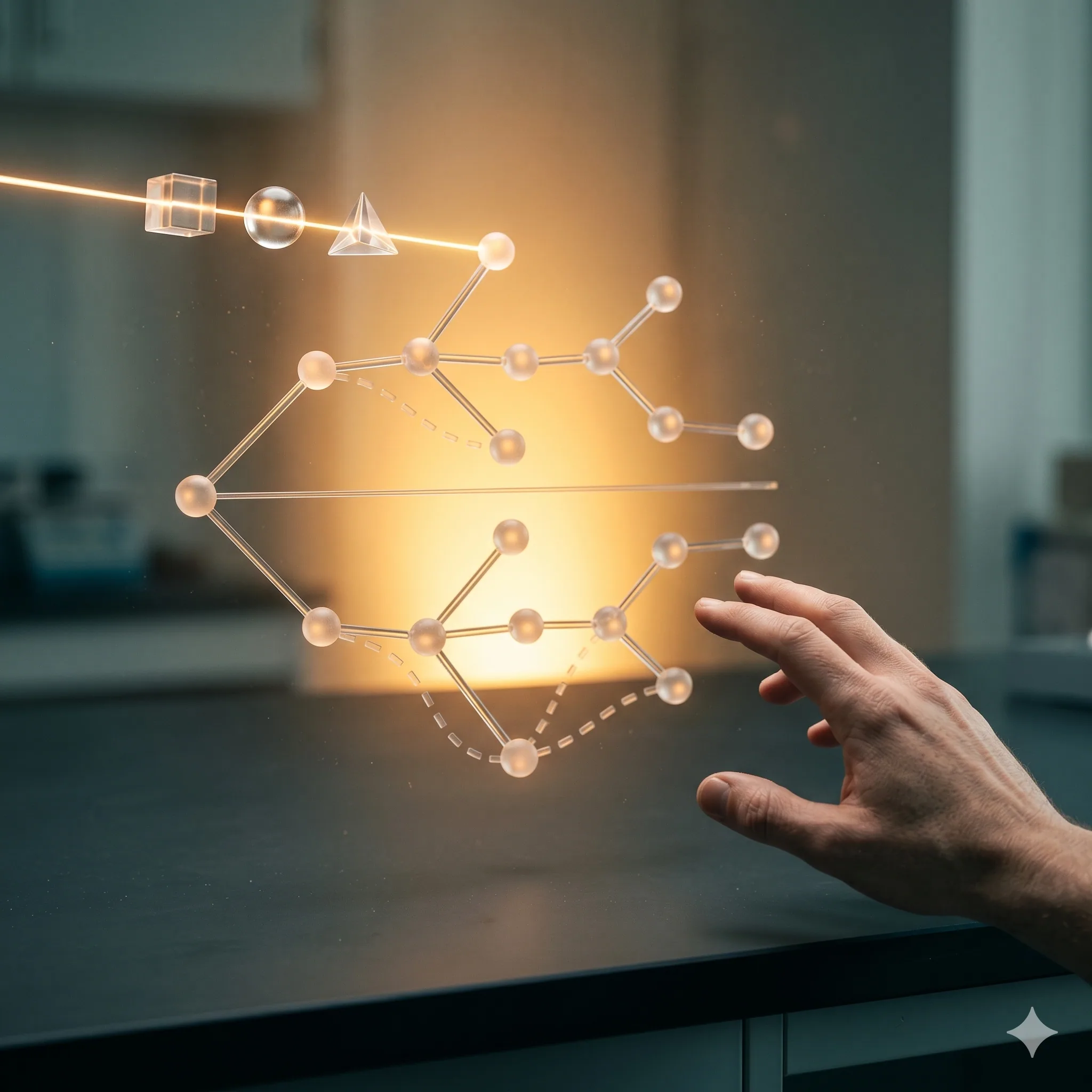
A research substrate exploring how adaptive compute can be driven by non-equilibrium dynamics. The whole developmental stack — from genome through production — sits on top of it.
One architecture on a continuous axis — reared on the stack.
Explore LoominumEnterprise
Research
Science
About
Substrate · Tapeout
A curvature-native silicon family for substrate-aligned compute.
What Obsidian is
Obsidian is a family of chips, not a single product. Each generation explores a different relationship between physics and computation: thermal-ratchet dynamics for adaptive compute in the first generation, a curvature-native architecture in the second. The constant across the family is that the geometry of the cognitive substrate and the geometry of the silicon are designed together, not bolted together.
Generations
Each Obsidian generation is a research vehicle for a specific question about how physics and computation can co-design.
A research substrate exploring how adaptive compute can be driven by non-equilibrium dynamics. The whole developmental stack — from genome through production — sits on top of it.
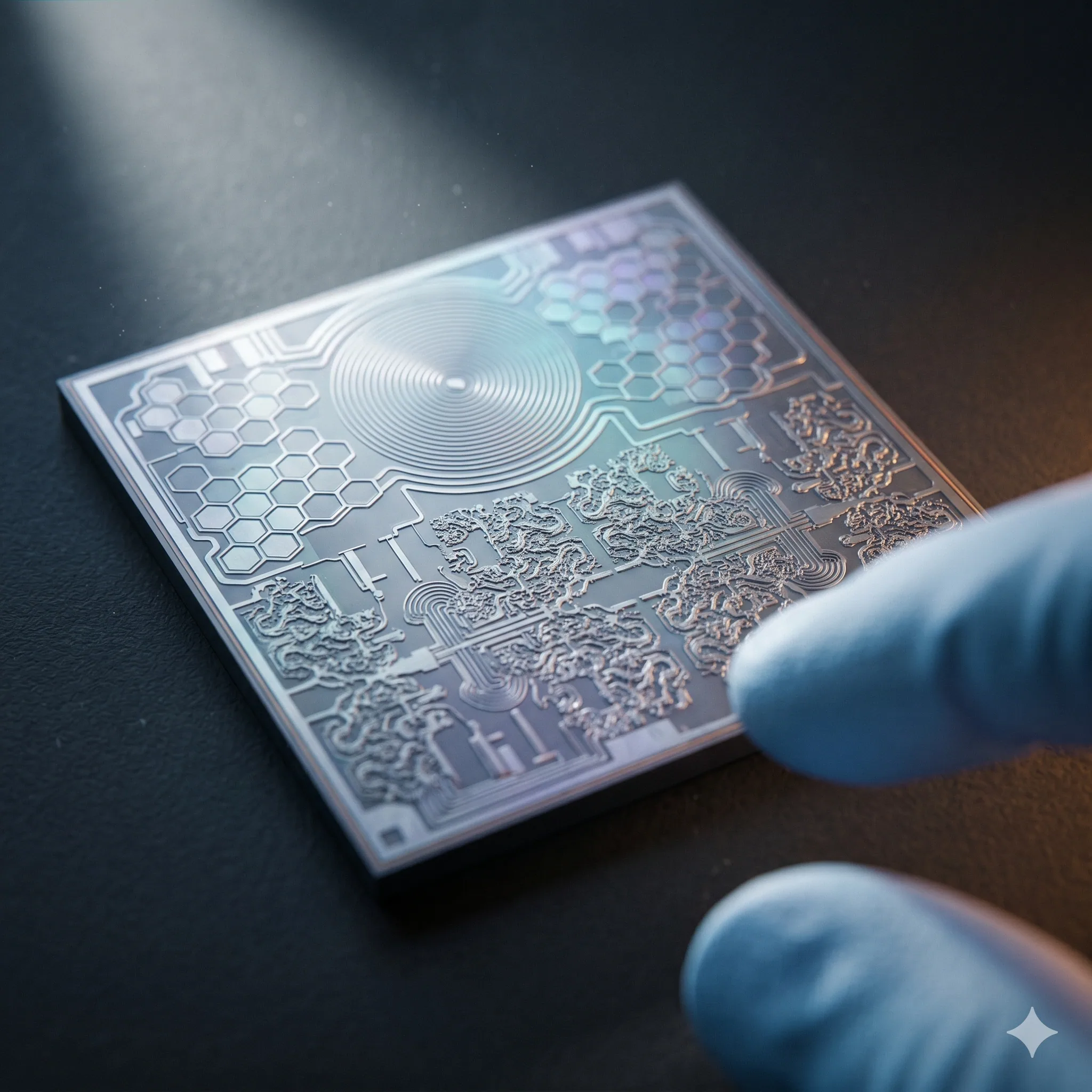
A foundry-process generation whose layout and analog blocks are designed around the geometric primitives our cognitive substrate uses. Tapeout closed; the controller block is GDS-clean.
Analog and digital blocks
Every block is reported as closed, in iter, or study. There is no “done” category — only states that can be verified.
Bandgap reference
IP-clean across corners
PTAT reference
SPICE-verified across temp + supply
Control top block
101k cells · DRC 0 · LVS clean
PTAT layout
Routing iteration on Run 12
Sense amplifier
Topology study underway
Security drop-in
TPM, secmem, BCH, Shamir, audit log shipped
Tapeout history
Year 1
Obsidian 1.0 reaches a functional emulator with the full developmental stack on top, including the production-side test harness.
Year 2
Bandgap reference closed as IP. PTAT reference verified in SPICE. Sense-amp and PTAT layout in active iteration.
Year 2
Hardware-security sprint shipped: TPM, secure memory, sealed storage, BCH, Shamir, audit log, lockout, and a wallet-backed post-quantum signing surface. RTL skeleton and analog NTT study landed.
Year 3
The phase-6.A2 control top-level block closed on a foundry process. 101k cells, zero DRC, LVS clean. Final stub override applied where needed.
Measured
101k
Cells in the closed control block
Phase-6.A2 cns_ctrl_top GDS, foundry process.
0
DRC errors
LVS clean on the same run.
2,437
Tests passing on the software stack
Software and verification stack on top of the silicon program.
What Obsidian is for
Workloads built on Stamen and Heddle run on silicon whose layout shares their organizing primitives, so locality and energy budgets are aligned end-to-end.
The security drop-in provides a TPM, sealed storage, lockout, and PKCS#11 ML-DSA signing inside the chip. Attestation and audit are not retrofitted.
Each generation is also a research vehicle. New cognitive primitives can be tried against actual silicon, not just simulators.
Related research
Available through