

perception that admits doubt
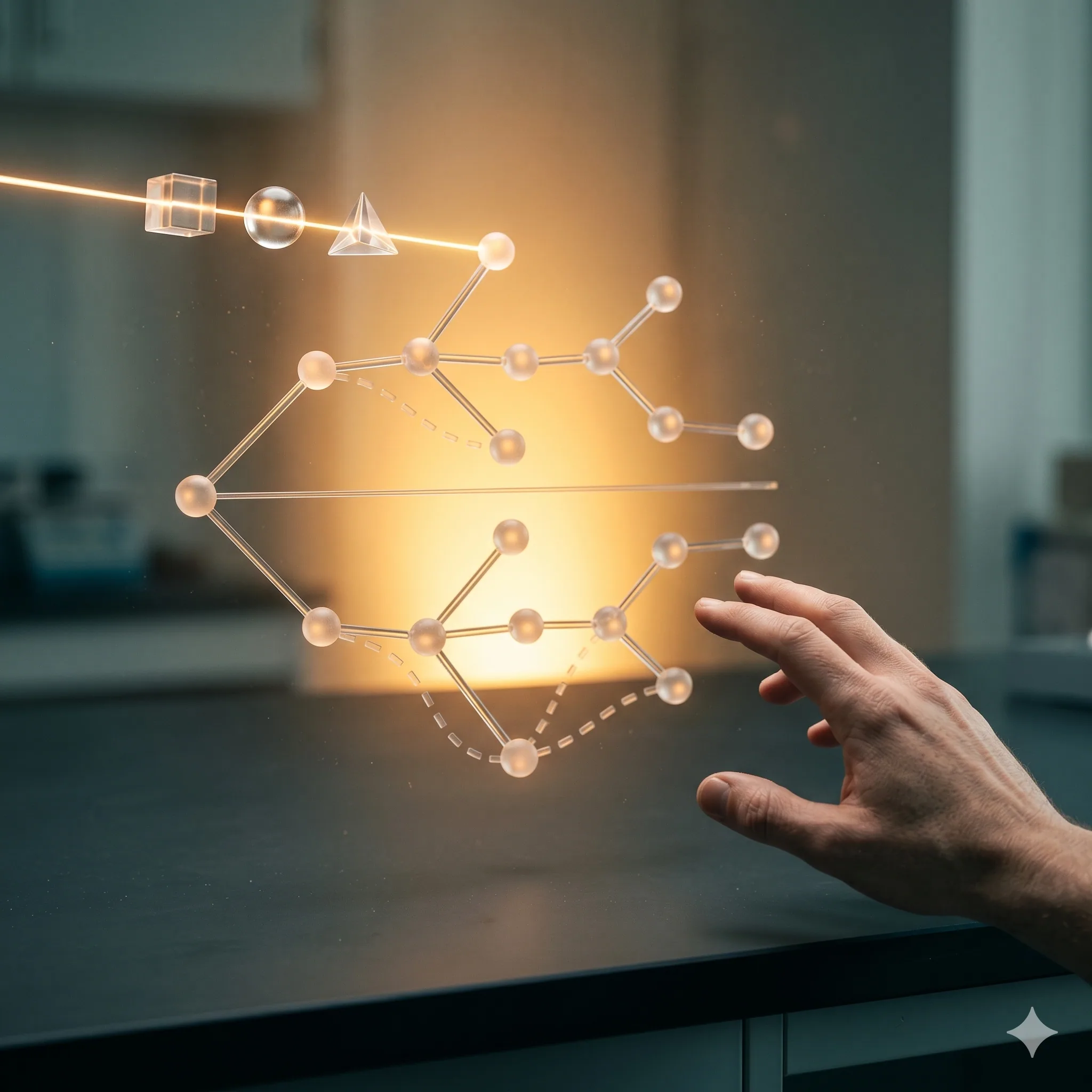
Every detection reports a confidence interval, every track a covariance. The planner sees the doubt directly.
One architecture on a continuous axis — reared on the stack.
Explore LoominumEnterprise
Research
Science
About
Embodied AI research that helps robots perceive, reason, and act with safer feedback loops.
Robots that act in the real world have to recognise when they are wrong. Our embodied work pushes uncertainty back into perception so planners can react to it, then validates everything against carefully controlled real environments before feeding the surprises back into the simulator.
perception emits point estimates, the planner is supposed to be robust to whatever they get wrong.
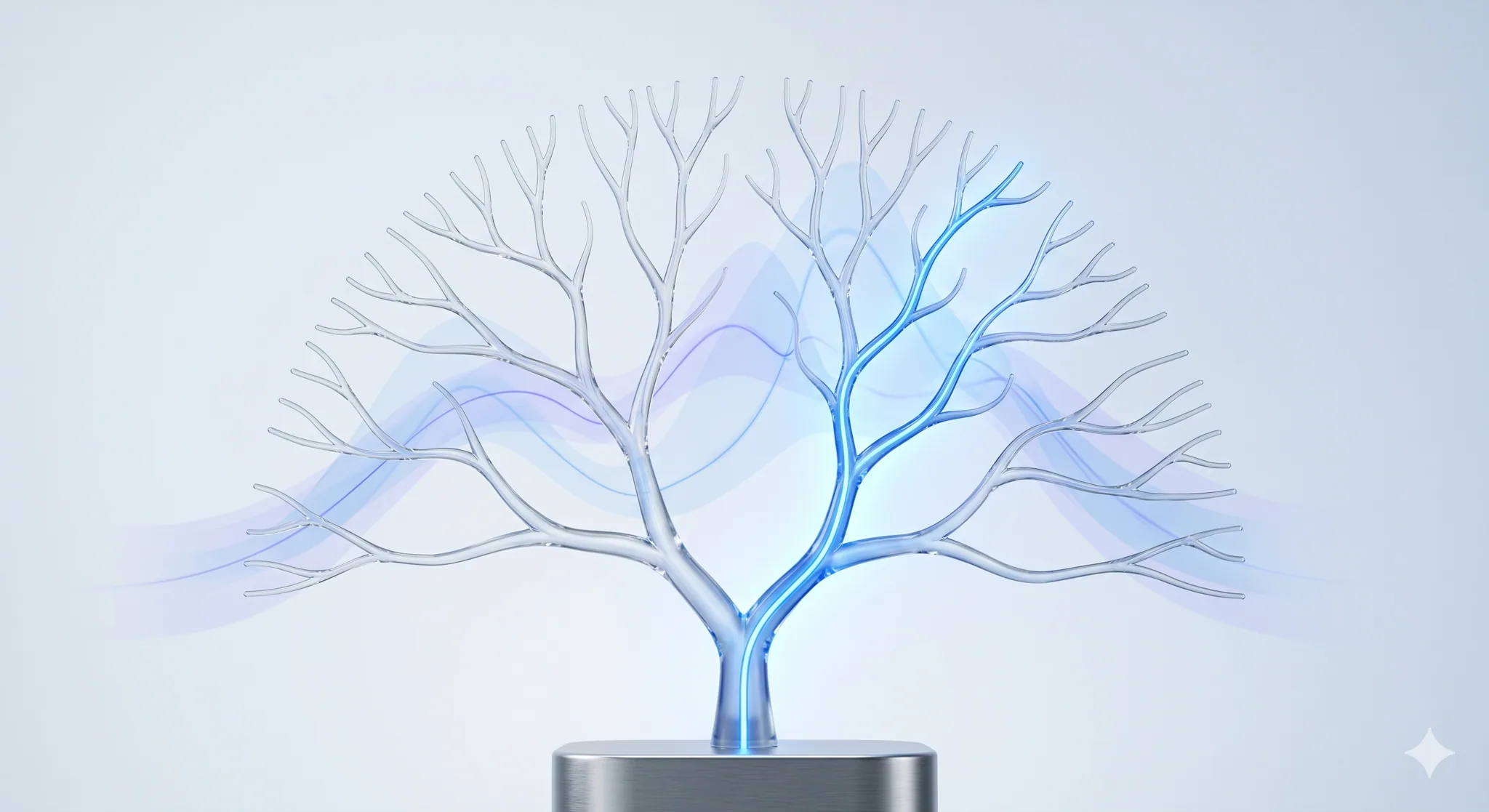
perception emits doubt directly — confidence intervals on detections, covariance on tracks — and the planner is wired to react to that doubt.
Every detection reports a confidence interval, every track a covariance. The planner sees the doubt directly.
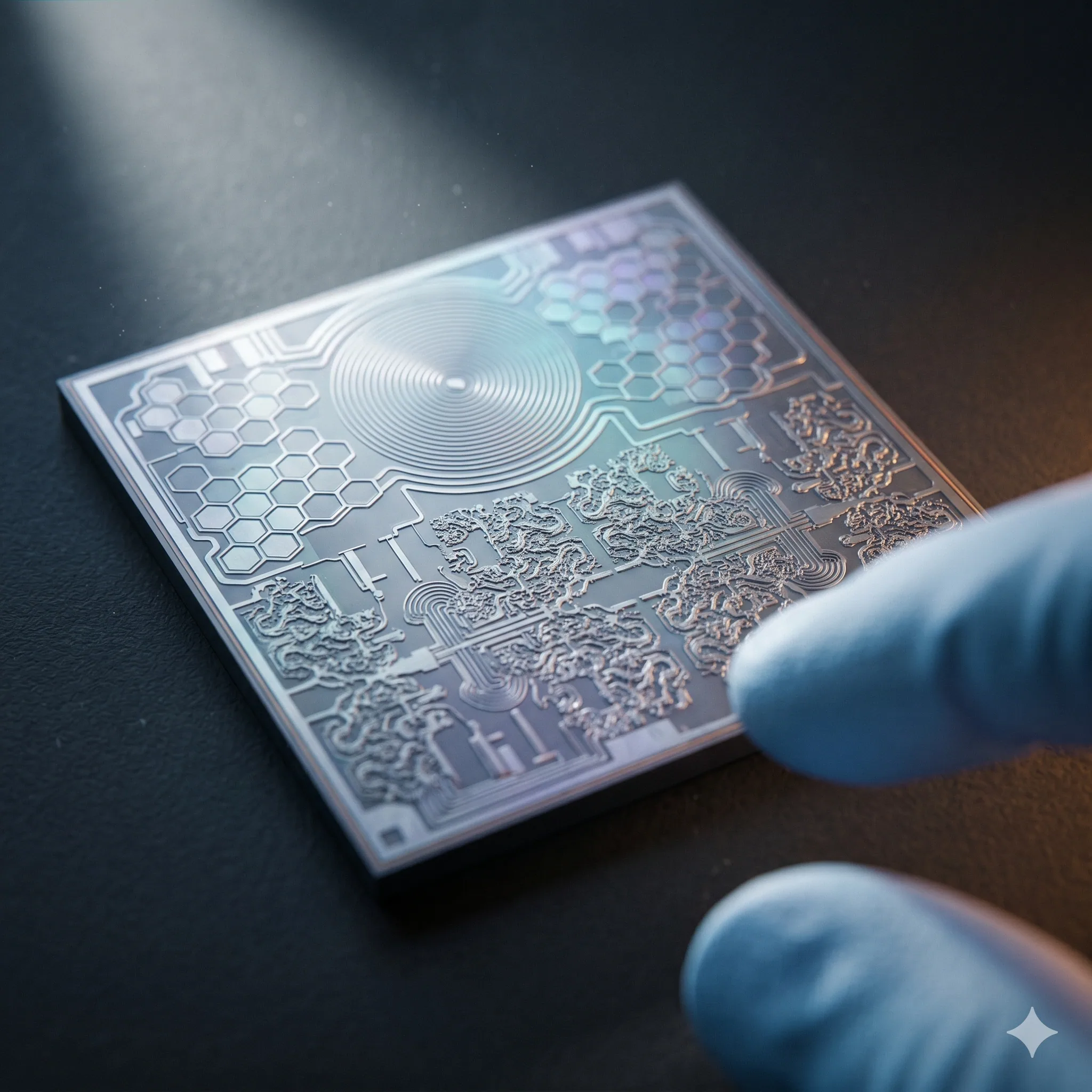
We train in simulation, validate in a carefully controlled real environment, and feed every surprise back into the simulator.
A robot that does not know it is wrong is the dangerous one. We reward systems that stop, ask, and replan when uncertainty crosses a written threshold.
Train in simulation, validate in a controlled real environment, feed every surprise back into the simulator. Each cycle the reality gap shrinks.
The same scene from the hero, broken down into the controller's view: detection, confidence, decision, policy class. A low-confidence unknown does not become an executed plan.
Robots that act in the real world have to recognise when they are wrong. Our perception stack reports uncertainty alongside every detection so planners can react.
We train in simulation, validate in carefully controlled real environments, and feed the surprises back into the simulator. The loop tightens until the gap is small.
The same calibration discipline that surfaces in our climate forecasts and our evaluation library lands here as a control law: when the band is wide, the robot yields.